
Twigs and Rods. What Can Shape and Staining Tell Us?
Why shape does not establish the causative agent, why nocardiosis can be dangerous, and why acid-fastness must not be confused with antibiotic resistance.
What branching and acid-fastness reveal about bacteria in fish, why nocardiosis is not necessarily milder than mycobacteriosis, and how to assess antimicrobial susceptibility.

Articles, conference proceedings, and supplementary materials with brief descriptions and links to full texts.

Not everything with a capsule is Cryptococcus. Morphology may resemble it, but conclusions require caution.

Hyphae in fish are not always saprolegniosis. It is important to distinguish colonization from invasive processes.

Non-lethal fish diagnostics explained: why scrapes, smears and examinations are safe — and why severely compromised fish may die after handling.
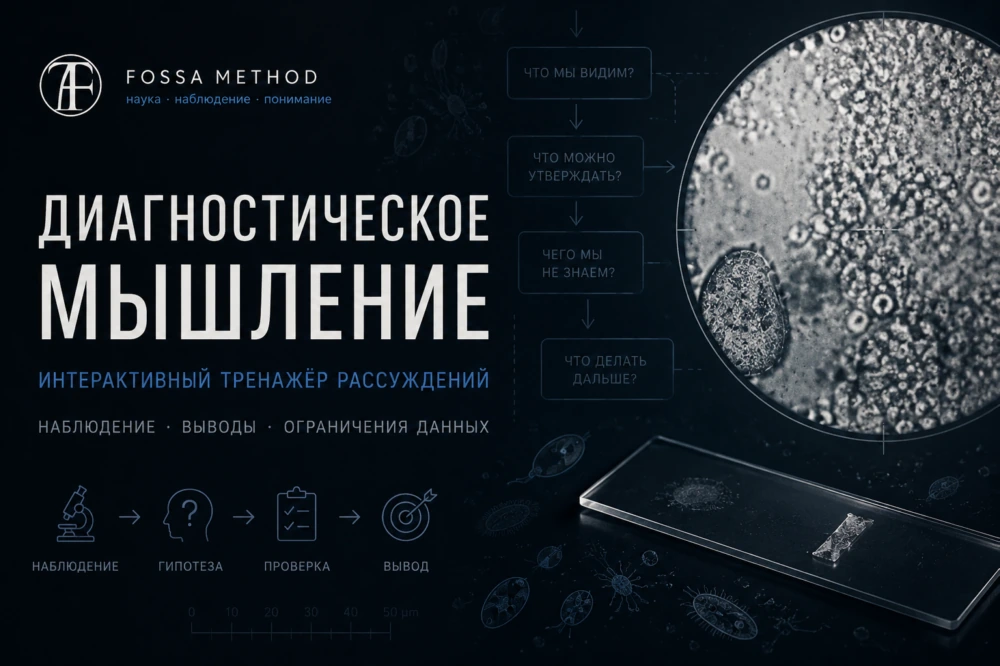
An interactive reasoning trainer: observations, conclusions, and the limits of evidence.