Fin Rot Is a Common Bacterial Disease
Fin rot is considered one of the most common diseases of aquarium fish. Almost every aquarist encounters this problem sooner or later.
The disease is usually believed to be easy to recognize even without special equipment. The main symptom is the destruction of the fins. At first the edges of the fins become uneven or frayed, then they gradually shorten. Sometimes the edges appear whitish or cloudy, and in more severe cases redness may appear at the base of the fins.
Fin rot is commonly believed to be caused by bacteria that begin to multiply actively in the aquarium when conditions deteriorate. The most frequent causes mentioned are poor water quality, infrequent water changes, overfeeding, overcrowding of the aquarium, or stress experienced by the fish.
According to this view, a weakened fish loses its resistance, allowing bacteria to begin destroying fin tissues. If no action is taken, the process may progress and eventually lead to severe fin damage or even the death of the fish.
Many aquarists claim that fin rot can be identified simply by visual inspection, because damaged fins are thought to have a characteristic appearance. In such cases it is usually recommended not to delay treatment.
The most common advice involves the use of antibacterial medications. Methylene blue, malachite green, various commercial antibacterial preparations, and sometimes antibiotics are frequently recommended. Salt baths or increasing water temperature are also sometimes suggested.
In addition, aquarists are usually advised to improve environmental conditions: perform water changes, remove uneaten food, check filtration, and reduce the biological load in the aquarium.
If treatment is started early, fins are often said to regenerate gradually and the disease can supposedly be stopped before serious damage occurs.
FAQ
Is fin damage always a bacterial infection?
No. In many cases it is mechanical or metabolic (fin erosion), not infection.
Why do fins look frayed?
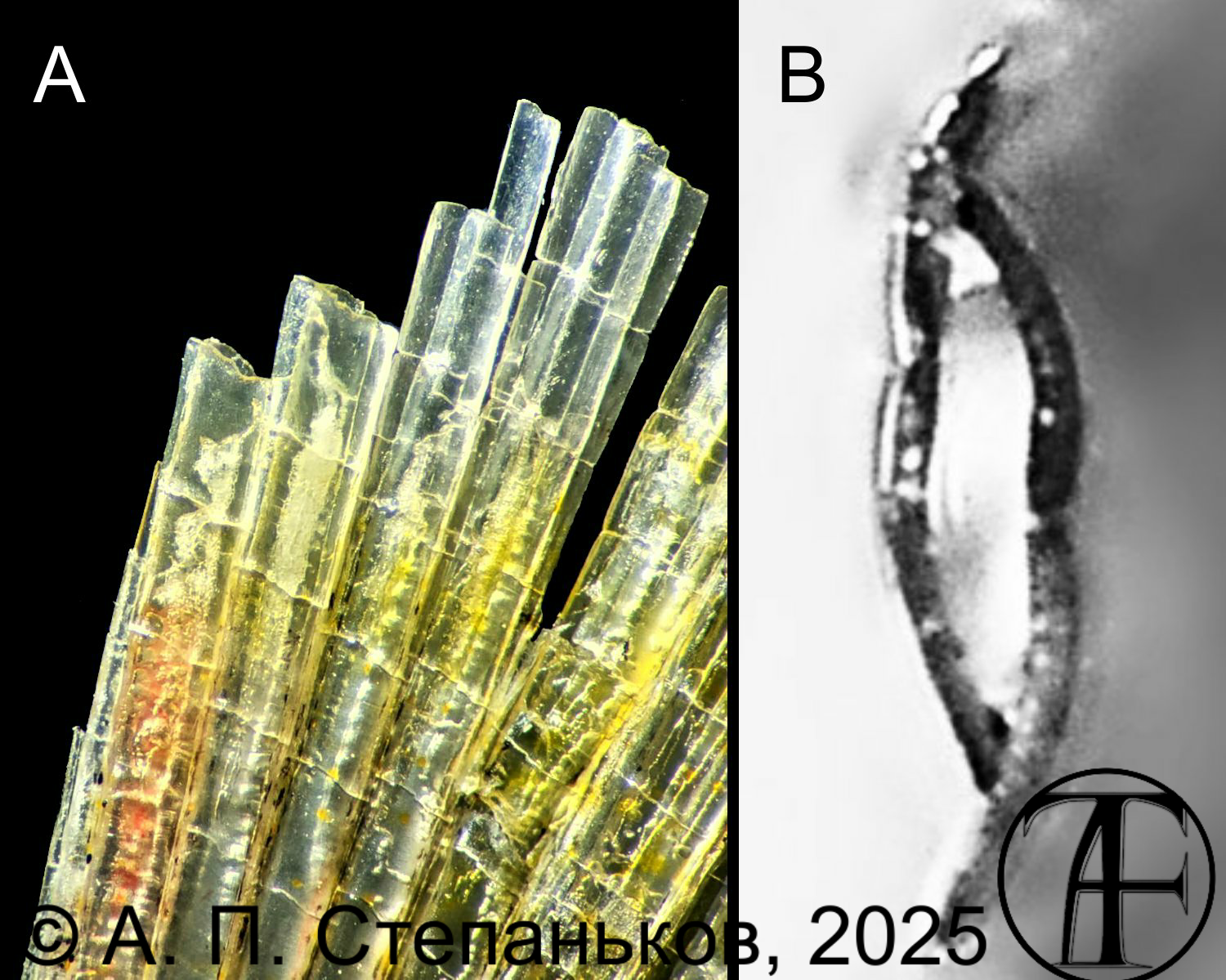
Because of the segmented structure of fin rays (lepidotrichia), which can separate under stress.
Should antibiotics be used immediately?
No. Without confirmed infection, antibiotics are often unnecessary.
How to distinguish erosion from infection?
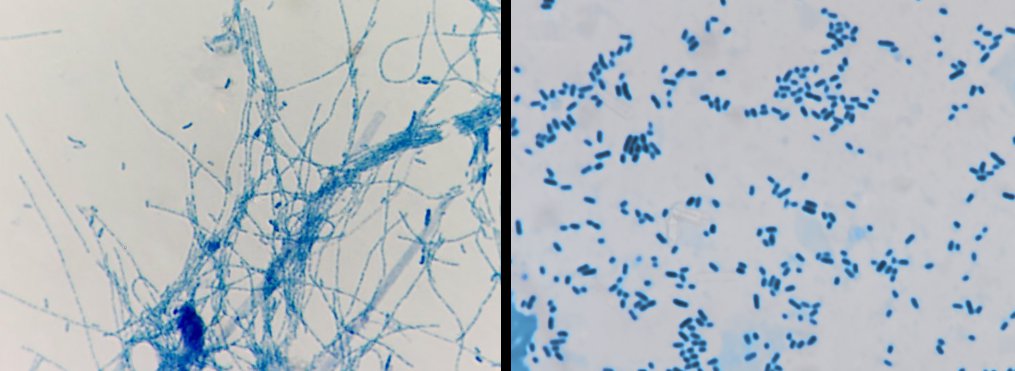
Primarily through microscopy or by evaluating tissue structure and inflammation.
Why are fins affected first?
They are peripheral tissues with lower blood supply priority.
See also:
Scientific Method. A Practical Guide.
 Scientific Method. A Practical Guide.
How knowledge is formed, why confidence often outpaces understanding, and how the scientific method helps distinguish observation from …
Scientific Method. A Practical Guide.
How knowledge is formed, why confidence often outpaces understanding, and how the scientific method helps distinguish observation from …
Granulomas and intracellular agents in fish.
 Granulomas and intracellular agents in fish
A collection of real observations: intracellular yeast-like organisms, coccidia, cryptosporidia, and fungal structures in fish.
Granulomas and intracellular agents in fish
A collection of real observations: intracellular yeast-like organisms, coccidia, cryptosporidia, and fungal structures in fish.
Cryptocaryon irritans: Not Just White Spots.
 Cryptocaryon irritans: Not Just White Spots
Cryptocaryon irritans. is a ciliated protozoan parasite, often visible to the naked eye. Tangs, butterflyfish, and boxfish are particularly …
Cryptocaryon irritans: Not Just White Spots
Cryptocaryon irritans. is a ciliated protozoan parasite, often visible to the naked eye. Tangs, butterflyfish, and boxfish are particularly …