Has Something “Eaten Away” a Fish’s Fin?
A fish once had a beautiful, smooth-edged fin. Then its edge became uneven and frayed. After a while, individual rays began sticking out in different directions, and the fin grew shorter.
“Fin rot,” someone will say in an aquarium chat. And they will almost certainly recommend a treatment against bacteria.
But what have we actually learned? We’ve seen a damaged fin. We haven’t seen what caused the damage.
The word “rot” makes it sound as though someone has already established that microorganisms are breaking down the tissue. Yet a similar appearance can result from injury, certain noninfectious disorders, or a genuine bacterial infection.
A frayed fin is a sign of damage, not an explanation of its cause.
Let’s Take a Closer Look at the Fin
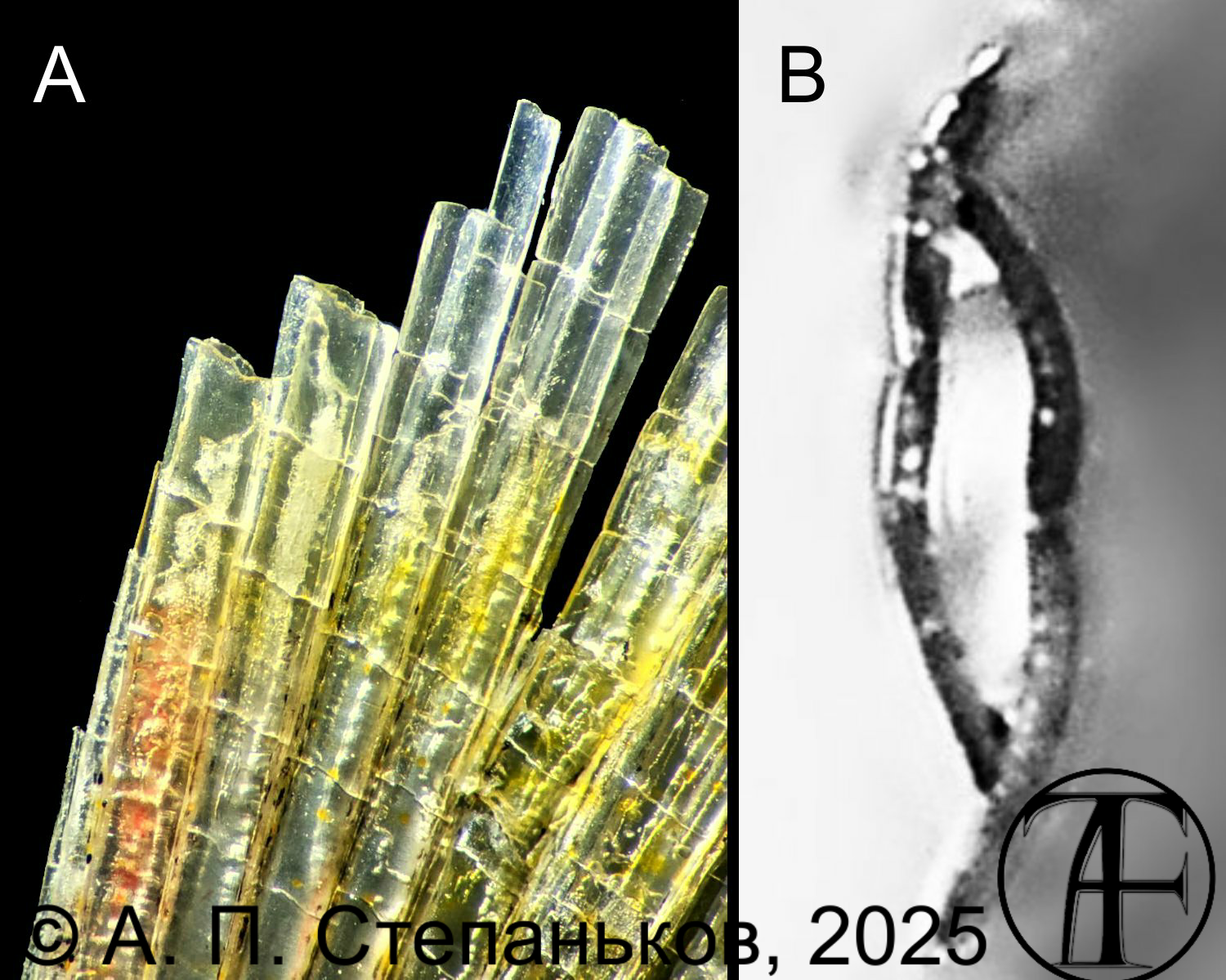
A fin is not a single solid sheet. It is supported by thin rays made up of many interconnected parts. Soft tissues lie between the rays.
This is especially clear under magnification.
Now let’s take an already damaged fin ray and gently touch it with a dissecting needle. Watch what happens.
The ray seems to come apart into separate pieces. At the same time, some of the soft tissues can still be seen intact in the area being examined.
It almost looks as though we’ve caught the fin in the act of breaking down. But there’s a catch: the needle shows how already damaged parts separate. It doesn’t show what damaged them in the first place.
Perhaps the fish was injured. Perhaps the surrounding tissues were affected first. Or perhaps an infection really was developing. This demonstration alone cannot tell us which explanation is correct.
Can a Fin Break Down Without Bacteria?
Yes. Researchers studied goldfish living in a stretch of river affected by wastewater from a pulp and paper mill. The fish had damaged fins, but the researchers found little evidence of substantial bacterial involvement in the process.
Tissue examination showed that the changes began in the fin’s outer covering, then spread to deeper tissues and the rays themselves. This is one documented example of noninfectious fin erosion ( Sharples & Evans, 1996).
The opposite can happen, too. In columnaris disease, for example, bacteria can indeed cause lesions of the skin, gills, and fins ( Declercq et al., 2013).
So both possibilities are real. The mistake is treating either one as the only possible explanation for every frayed fin.
What Should You Do if a Fish’s Fins Are Deteriorating?
First, find out what’s happening to the fish and its aquarium.
Look at when the changes began and how quickly they are progressing. Are there injuries, other fish chasing it, or dangerous parts of the equipment? Is only one fish affected, or several? Have the water parameters, filtration, or keeping conditions changed?
If you have access to a microscope, examining the damaged area can help: which tissues remain intact, are there signs of inflammation, and what microorganisms can you see? But even if you find bacteria, that doesn’t automatically tell you whether they appeared before the damage or colonized the tissue afterward.
Don’t choose an antibacterial treatment based on the fin’s appearance alone. First, establish whether there is good reason to suspect a bacterial disease.
What Have We Learned?
We started with a familiar term: “fin rot.” Then we looked at the structure of a fin ray and watched its parts separate under a dissecting needle.
But the most important part didn’t happen under the microscope. We separated what we actually observed from what we merely suspect.
The fin is damaged — that’s a fact. Why it was damaged is a question that still needs investigating.
Want to explore further? F.O. — how fin rays are built and how erosion differs from infection · F.O.S. — the full scientific analysis with research references.
See also
 Hexamitids Without MythsWhy hexamitids are not a normal component of fish intestinal microflora, where the myth of 'internal parasites' comes from, and how …
Fin Rot
 Fin RotFin damage in fish is not always caused by bacterial infection. Lepidotrichial structure, noninfectious fin erosion, columnaris disease, and …
Is It Ever Too
Late for a Fish
Autopsy?
 Is It Ever Too Late for a Fish Autopsy?Debunking the myth: why you can examine a fish hours after death—not just in the first 30 minutes.
Twigs and Rods. Who
Are We Looking at
in This Specimen?
 Twigs and Rods. Who Are We Looking at in This Specimen?Nocardia and Mycobacterium in fish: comparing morphology, acid-fastness, pathogenicity, and antibiotic resistance, and understanding the …
Cryptococcus-like structures in fish
 Cryptococcus-like structures in fishRound structures with a distinct halo, morphologically resembling cryptococci. Morphological analysis and limitations of interpretation.
Health Does Not Mean
Sterility
 Health Does Not Mean SterilityWhy the presence of microorganisms and parasites does not always mean disease, why immunity does not have to eliminate them completely, and …